
At Rolling Harvest Food Rescue, we believe good food should never go to waste — and everyone deserves access to fresh, nourishing meals. Every week, we work with local farmers to rescue beautiful surplus produce that might otherwise stay in the field. These fruits and vegetables are just as delicious and nutritious as anything you’d find at a farm stand — they simply need a home in your kitchen.
Our Nutrition Education team loves showing families, volunteers, and community partners how to turn seasonal abundance into healthy, satisfying meals. If you’ve ever received a box of rescued produce and wondered, “What do I do with all this?” — this post is for you.
Why Surplus Produce Is a Gift
Surplus produce is often:
- Perfectly ripe (which means peak flavor and nutrients)
- Harvested locally (so it’s fresh and hasn’t traveled far)
- Seasonal (which helps you naturally vary your diet)
Cooking with what’s in season supports local farms, reduces food waste, and encourages a more diverse, plant-forward way of eating.
Start with a Flexible Mindset
When cooking with rescued produce, flexibility is key. Instead of cooking from a strict recipe, think in formulas:
- Soup formula: Aromatics + vegetables + beans or grains + broth + herbs
- Stir-fry formula: Mixed vegetables + protein + simple sauce
- Roasting formula: Chopped vegetables + olive oil + salt + high heat
- Salad formula: Leafy greens + crunchy veg + protein + healthy fat + acid
This approach allows you to adapt to whatever comes in your share.
Simple, Healthy Cooking Methods
1. Roast for Flavor
Roasting concentrates natural sugars and enhances flavor. Toss chopped vegetables (carrots, peppers, squash, eggplant, broccoli, sweet potatoes) with olive oil, salt, and pepper. Roast at 400°F until tender and caramelized.
Use roasted vegetables:
- In grain bowls
- In wraps or quesadillas
- Tossed with pasta
- Blended into soups
2. Build a Balanced Grain Bowl
A grain bowl is one of the easiest ways to use a variety of produce.
Base: Brown rice, quinoa, farro, or whole wheat pasta
Add: Roasted or sautéed vegetables
Protein: Beans, lentils, tofu, eggs, or shredded chicken
Finish: Lemon juice, tahini, yogurt sauce, or vinaigrette
This combination provides fiber, plant-based nutrients, and lasting energy.
3. Blend It into Smoothies
If you receive very ripe fruit or leafy greens, smoothies are your friend.
Try:
- Spinach + banana + peanut butter + milk
- Berries + yogurt + oats
- Mango + carrot + orange
Freeze overripe fruit in chunks so nothing goes to waste.
4. Turn Extras into Soup
Soup is one of the most forgiving and budget-friendly meals. Even slightly soft vegetables can shine in a blended soup.
Try combinations like:
- Tomato + red pepper + basil
- Butternut squash + apple + onion
- Mixed greens + white beans + garlic
Make a large batch and freeze portions for later.
Storage Tips to Reduce Waste
- Wash and dry greens before storing with a paper towel to absorb moisture.
- Store herbs upright in a jar with water (like flowers).
- Chop and freeze extra onions, peppers, or greens for future cooking.
- Blanch and freeze surplus vegetables if you can’t use them quickly.
A little prep early in the week can save time and prevent spoilage later.
Involve the Whole Family
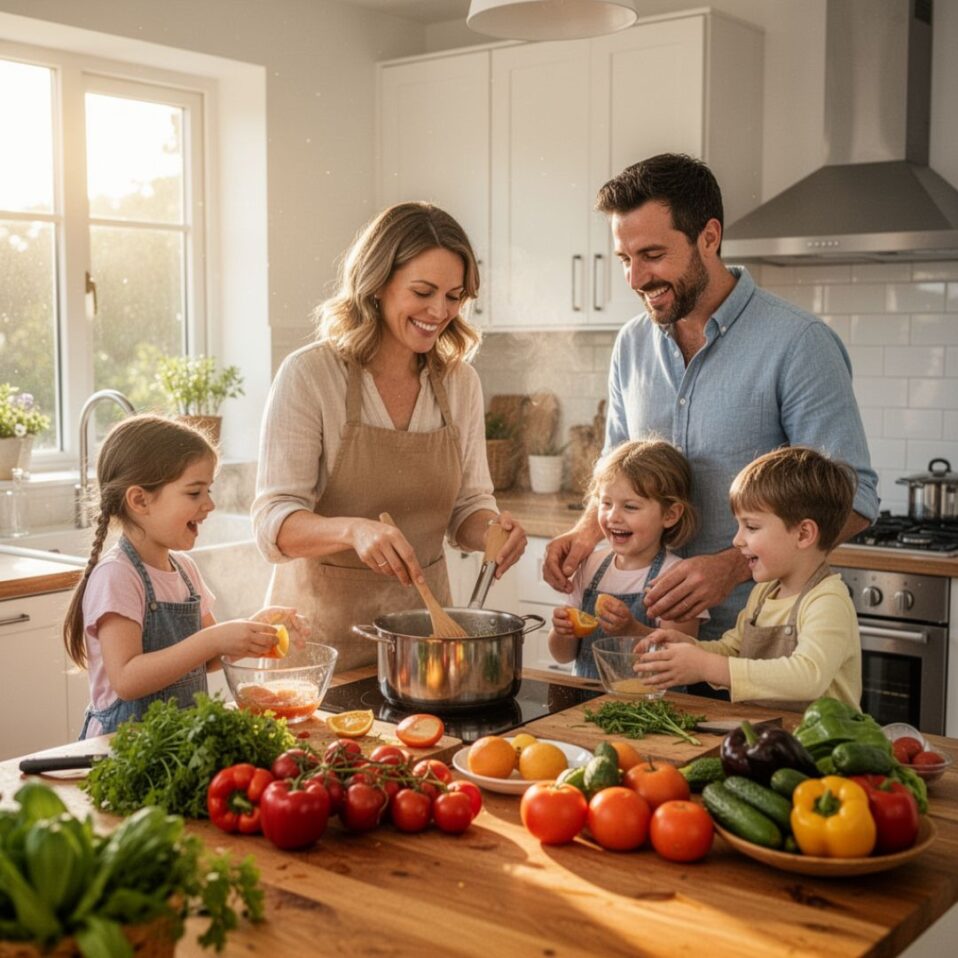
Cooking with surplus produce is also a powerful learning opportunity. Invite children to:
- Help wash vegetables
- Choose seasoning blends
- Assemble their own grain bowls
- Taste-test roasted veggies
When kids participate, they’re more likely to try new foods.
Eating Well While Preventing Waste
Healthy cooking doesn’t require expensive ingredients or complicated recipes. Often, it simply means:
- Using what you have
- Cooking at home more often
- Filling half your plate with vegetables
- Choosing whole foods over highly processed ones
Every rescued carrot, tomato, or zucchini represents the hard work of a local farmer and the opportunity to nourish a neighbor. When we cook thoughtfully, we honor both.
From all of us on the Nutrition Education team: thank you for being part of a community that values fresh food, sustainability, and shared abundance. Let’s keep cooking — creatively, confidently, and with purpose. 🌱
